LOS ANGELES — In the world of professional sports, few honors are as permanent or as contentious as the erection of a statue. It is the ultimate cementing of a legacy, a bronze declaration that a player owns a piece of a city’s soul forever. But does winning championships automatically grant you that immortality? Or is there a deeper requirement of loyalty, longevity, and cultural impact?
This philosophical battle has erupted into a full-blown civil war within the NBA community this week, ignited by Boston Celtics legend Paul Pierce. The Truth, never one to shy away from a controversial take, has thrown his weight behind the idea that Kevin Durant—the superstar forward who spent just three seasons with the Golden State Warriors—deserves a statue outside the Chase Center.
The ensuing debate has dragged in fellow former stars like DeMarcus Cousins and Lou Williams, and has exposed a deep rift in how fans and analysts view the modern “player empowerment” era versus the old-school values of franchise loyalty.
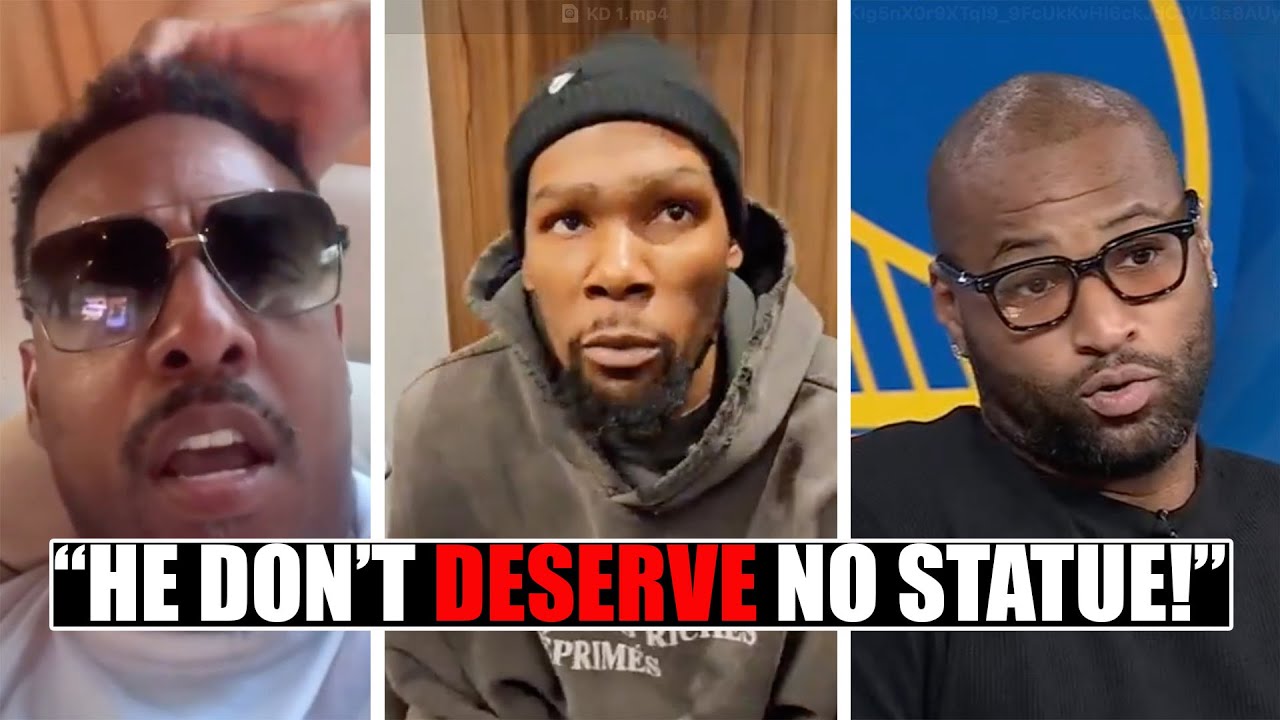
The Case for Bronze: Paul Pierce’s “Undeniable” Logic
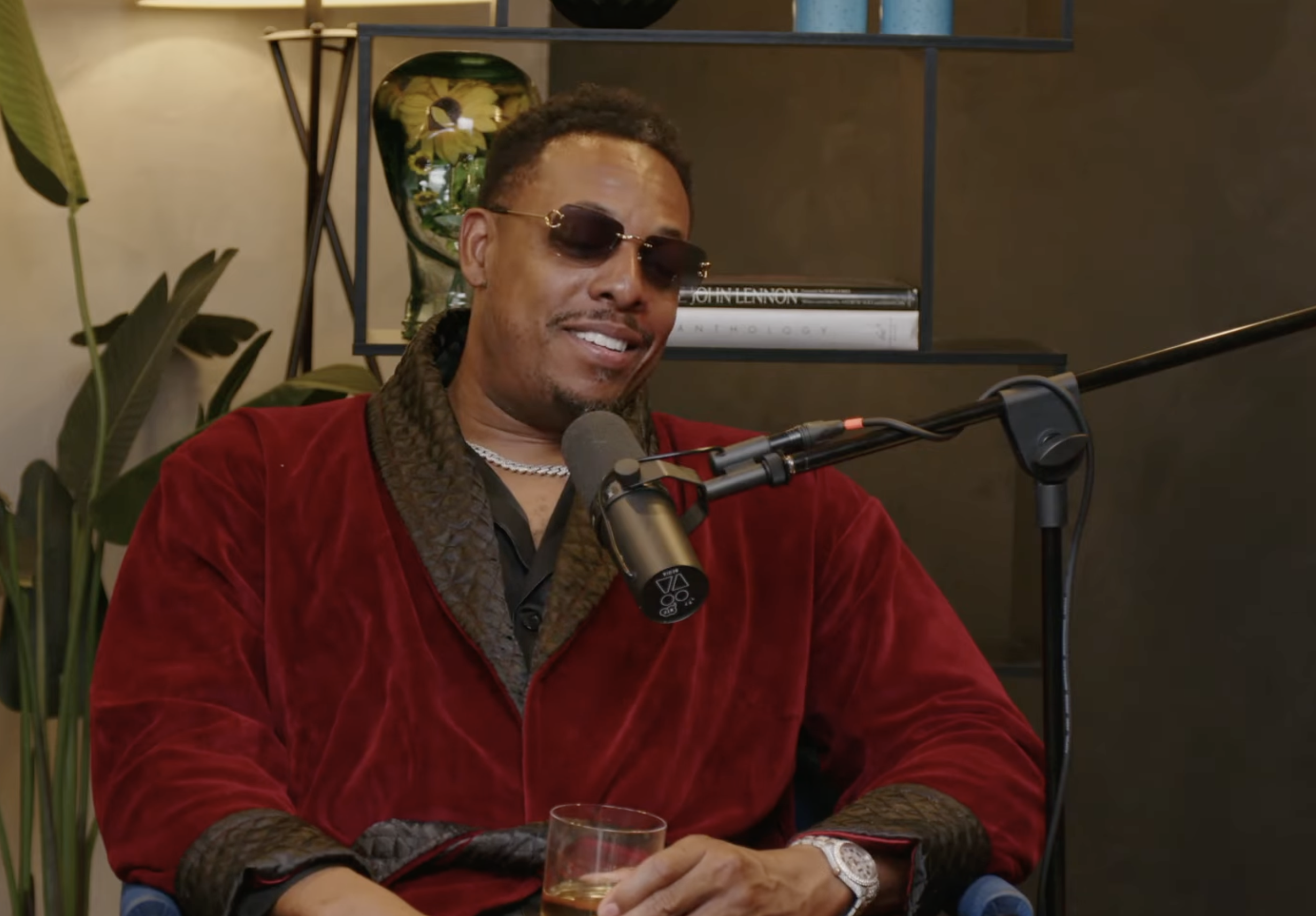
The argument began on a recent podcast appearance where Pierce and former sharpshooter Danny Green dissected the legacy of the Warriors’ dynasty. When the topic of statues came up, Pierce was adamant.
“I’m giving Durant a statue in Golden State, too,” Pierce declared, waving off any hesitation. “He got two Finals. Two Finals MVPs. I might give him one.”
Pierce’s logic is rooted in cold, hard production. During his tenure in the Bay Area from 2016 to 2019, Kevin Durant was arguably the best basketball player on the planet. He led the Warriors to back-to-back championships in 2017 and 2018, claiming the Finals MVP trophy both times. In Pierce’s eyes, those trophies are the currency that buys immortality. He essentially argued that without Durant, the Warriors’ history books would look different, and therefore, he deserves to stand tall in bronze alongside Stephen Curry.
Pierce even went as far as to compare Durant’s impact to LeBron James in Miami. “LeBron, give him that statue,” Pierce argued, referencing James’ four-year, two-title run with the Heat. To Pierce, dominance trumps duration. If you come to a city and deliver the ultimate prize multiple times, you own the keys to the city, regardless of how long you stayed.
The “Mercenary” Counter-Argument
However, Pierce’s proclamation hit a wall of resistance, not just from his co-hosts but from the wider basketball world. The counter-argument is simple but devastating: Kevin Durant was a “hired gun.”
Critics argue that a statue is reserved for “foundational” players—the architects who built the house, not the luxury contractors brought in to renovate the penthouse. In Golden State, the foundation is undeniable: Stephen Curry, Klay Thompson, and Draymond Green.
“You’re not a foundational Warrior,” the opposing view asserts. The sentiment is that the Warriors were already champions before Durant arrived (winning in 2015) and won again after he left (in 2022). This reality creates a unique and awkward legacy for Durant. He was the best player on the team, but he was never the soul of the team.
Danny Green pushed back against Pierce, noting the difference between a jersey retirement and a statue. “Statue just feels different,” Green said. The consensus among the detractors is that retiring No. 35 to the rafters is appropriate—a nod to his incredible contribution. But a statue? That implies you are synonymous with the franchise. For many, Durant is synonymous with himself—a traveling ronin of basketball excellence who belongs to no specific tribe.
The “Homeless” Superstar?
The debate took a harsher turn when observers began to analyze Durant’s career in its entirety. If he doesn’t get a statue in Golden State, where does he get one?
“Actually, if I’m being 100% honest, KD doesn’t deserve a statue nowhere he’s played,” one commentator argued in a viral response to Pierce’s take.
This is the tragedy of the modern superstar mercenary. Durant played nine seasons in Oklahoma City, putting the franchise on the map. But he left in a manner that burned bridges, joining the team that beat him. He played three years in Golden State, won it all, but left to forge his own path. He played in Brooklyn, which ended in disappointment, and is now in Phoenix.
By moving constantly, Durant may have accumulated stats and rings, but he failed to accumulate the deep, unconditional love of a single fanbase. Dirk Nowitzki has a statue in Dallas because he is Dallas. Kobe Bryant has a statue in LA because he is the Lakers. Durant is, in the eyes of his critics, a “mercenary” without a country.
“He left OKC, and then was like, ‘Alright, Golden State. Alright, we going to Brooklyn. Okay, Phoenix. Now I’m in Houston,’” the criticism continued. “It’s unprecedented where somebody’s play that is so gifted… was just kind of a mercenary in most places.”
The Disrespect of Draymond Green?
The conversation didn’t stop at Durant. It spiraled into a debate about who actually qualifies as a “statue guy.” DeMarcus Cousins and Lou Williams engaged in a fascinating back-and-forth about the other members of the Warriors dynasty, specifically Draymond Green.
While everyone agrees Stephen Curry is a lock—”Steph obviously gets a statue”—the waters get murky with Klay and Draymond. Lou Williams argued that the “Big Three” should all get statues because they were drafted there and built the culture.
However, doubts were cast on Draymond Green’s candidacy. Comparisons were drawn to Udonis Haslem in Miami—a “heart and soul” player who gets honored, but perhaps not with a statue outside the arena.
“I don’t know no other mainly defender type players… voice in the locker room type guys, they don’t get [statues],” one analyst noted. “Is Dennis Rodman getting a statue?”
This particular sub-debate feels like a massive slight to Green, who has been the defensive anchor and playmaker for four championships. To suggest that his “stats” don’t measure up to a statue ignores the very definition of the Warriors’ dynasty. It suggests that in the end, fans and media still prioritize scoring over winning impact.
The Verdict: A Shift in Values

This entire controversy highlights a shift in what we value in sports. Paul Pierce represents the “Ring Culture” mindset: if you win, you are a god, period. Context doesn’t matter. Duration doesn’t matter. The hardware speaks for itself.
The opposing side represents the traditional “Franchise Icon” mindset: winning matters, but so does the story. The struggle, the loyalty, the rising from the bottom—that is what builds a statue.
Kevin Durant is an all-time great. He is a top-15 player in the history of the sport. But this debate proves that greatness and belovedness are two different things. He may have conquered the NBA, but he hasn’t conquered a city’s heart in the way Steph Curry or Dirk Nowitzki have.
As it stands, the Warriors may very well retire KD’s jersey. But if Paul Pierce gets his wish and a bronze Durant rises in San Francisco, it will likely stand as the most controversial monument in sports history—a tribute to a glorious, fleeting moment rather than a lifetime of devotion.
For now, the only statue that seems guaranteed is Steph Curry. Everyone else, from KD to Klay to Draymond, is fighting for their place in history, one hot take at a time.
News
How a Black Female Sniper’s “Silent Shot” Made Germany’s Deadliest Machine Gun Nest Vanish in France
Chicago, winter 1933. The Great Depression had settled over the Southside like a fog that wouldn’t lift. The Carter family…
Polish Chemist Who Poisoned 12,000 Nazis With Soup — And Made Hitler Rewrite German Military Law
The German doctors at Stalag Vic never suspected the mute Polish woman who scrubbed their floors. November 8th, 1944. Hemer,…

This Canadian Fisherman Turned Sniper Killed 547 German Soldiers — And None Ever Saw Him
November 10th, 1918. 3:37 in the morning, a shell crater in Belgium, 40 yards from the German line. Silus Winterhawk…
They Called Him a Coward for Refusing to Fire — Then His ‘Wasted’ 6 Hours Saved 1,200 Lives
At 11:43 a.m. on June 6th, 1944, Private Firstclass Daniel McKenzie lay motionless in the bell tower of St. Mirly’s…
Steve Harvey Stopped Family Feud After Seeing This
The studio lights were blazing. 300 people sat in the audience, their faces bright with anticipation. The Johnson family stood…

He Was a Hungry Teen — Until One Woman Changed His LifeForever
Steve Harvey stands frozen. The Q cards slip from his fingers and scatter across the studio floor. 300 audience members…
End of content
No more pages to load