For months, the narrative surrounding the WNBA’s Collective Bargaining Agreement (CBA) negotiations has been one of unity: the players versus the league. We were told the union stood as a solid wall, demanding their fair share of the massive growth sparked by the “Caitlin Clark Effect.” But today, that wall didn’t just crack—it crumbled.
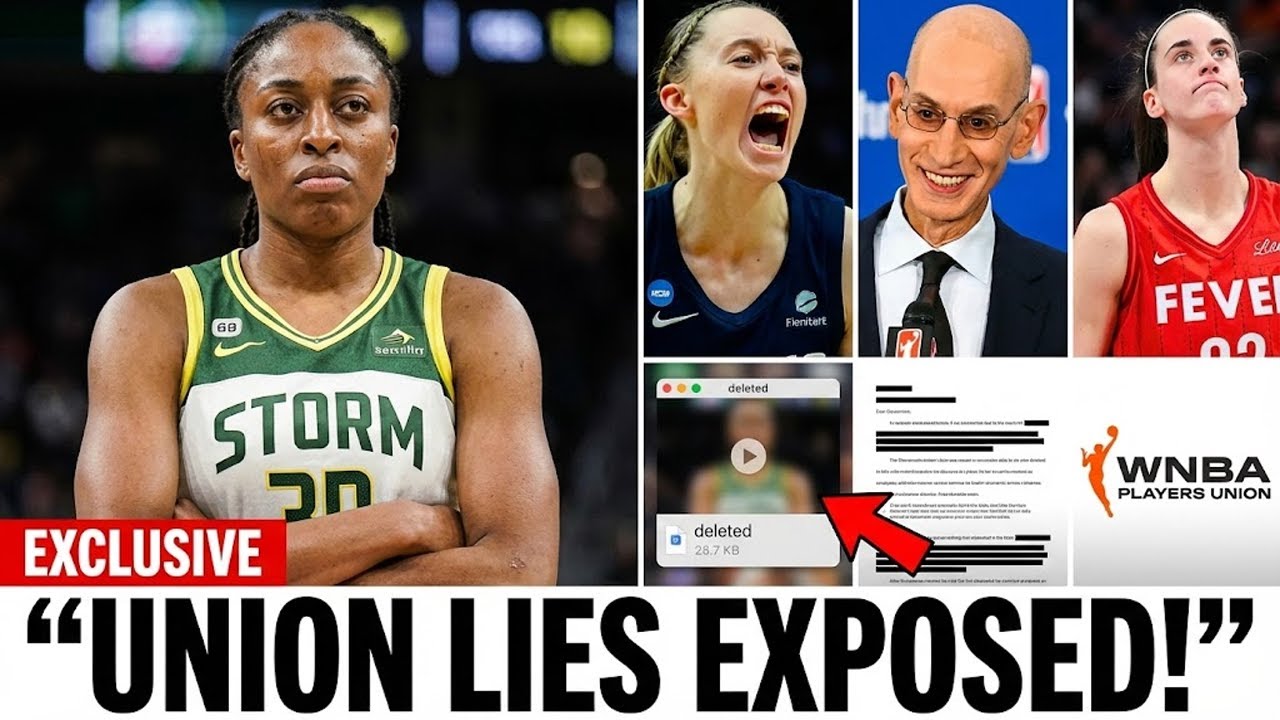
Leaked details from a high-stakes meeting in New York have exposed a shocking truth: the WNBA Players Association (WNBPA) is currently fighting a “civil war” within its own ranks. The union is no longer a unified front; it is a house divided, split down the middle by a fundamental disagreement on strategy, economics, and reality.
The “Mini-War” Behind Closed Doors
According to reports, the union’s seven-member executive committee is deadlocked. On one side, we have a faction of pragmatists who are looking at the deal on the table and asking a simple, logical question: “Why are we turning this down?”
The offer from the league is, by all historical standards, monumental. Sources indicate the proposal includes maximum salaries starting around $1 million in year one, growing to nearly $1.9 million by the end of the deal. For mid-tier players—those fighting for roster spots 5 through 12—the raises are life-changing. A player making $60,000 could see their salary jump to $300,000 or $400,000. This is generational wealth for athletes who have historically had to scramble for overseas contracts just to pay rent.
But there is another faction, described by insiders as the “ideological hardliners,” who are willing to risk it all. This group is reportedly holding out for an immediate 50/50 revenue split similar to the NBA’s model. They are willing to blow up the season, call a strike, and sacrifice the current momentum for a philosophical victory that the league’s current financials simply cannot support.
Caitlin Clark vs. Natasha Cloud: The Two Faces of the Conflict
This internal fracture was perfectly illustrated by two public appearances this week. First, there was Natasha Cloud, who went “absolutely bananas” in a media appearance, attacking owners and framing the negotiation as a confrontation. It was the old-school, adversarial approach—loud, angry, and uncompromising.
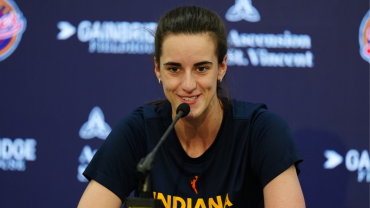
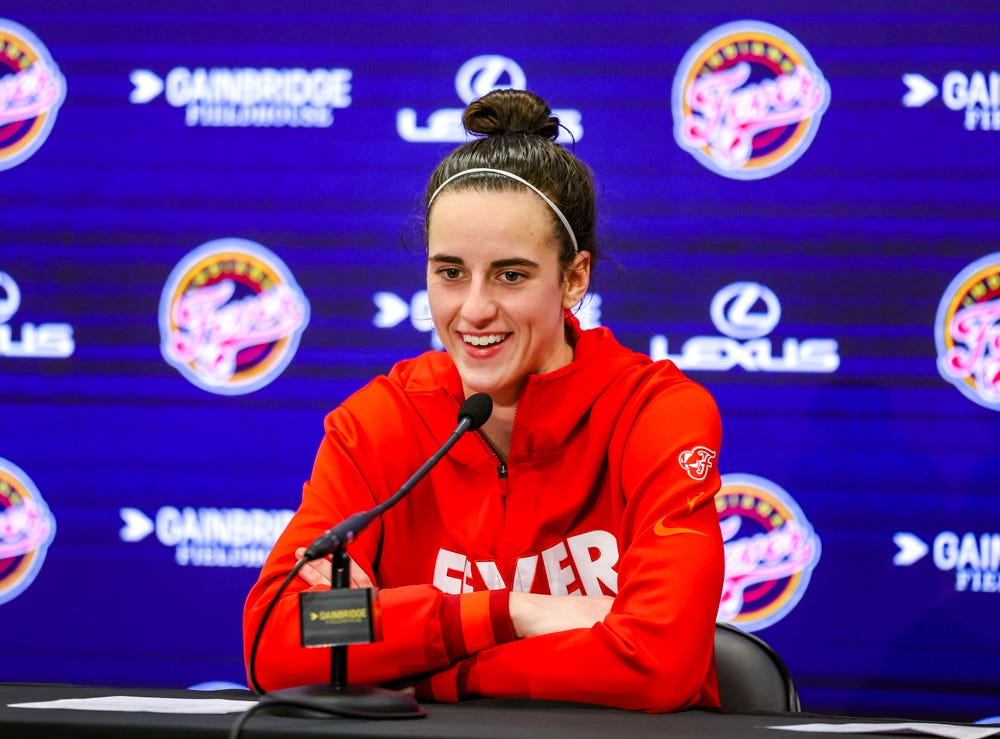
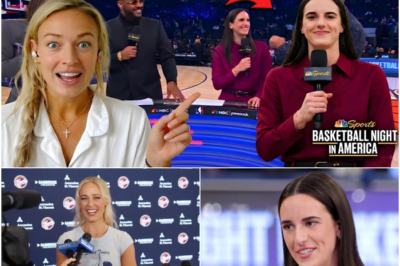
Then, just two days later, Caitlin Clark appeared on NBC’s Basketball Night in America. Her tone was the polar opposite. She was measured, business-focused, and emphasized the importance of “getting a deal done” to maintain the league’s momentum.
“I’m very confident we’re going to get something done because we’re in the moment,” Clark said. “We need to be able to continue that.”
Clark’s comments reflect the pragmatic wing of the union. She understands that the WNBA’s current leverage comes from the product on the floor—the games, the ratings, the sold-out arenas. A strike would kill that momentum instantly. Fans who just started watching last year aren’t going to wait around for a labor dispute to resolve; they will simply change the channel.
The “Delusion” of the 50/50 Split
The core of the dispute lies in the math. The hardline faction is demanding a 50/50 revenue split, pointing to the NBA as the standard. But as the breakdown in the video explains, “The WNBA is not the NBA.” The revenue isn’t there yet.
Demanding 50% of a pie that hasn’t finished baking is a recipe for disaster. The pragmatic players understand that accepting an 8x salary increase now, while continuing to grow the league, is the smarter long-term play. They know that a strike would be catastrophic. It would mean lost wages, alienated sponsors, and a fan base that feels betrayed.
The Nuclear Option: Replacement Players?
Perhaps the most chilling revelation from the leak is the potential for a total breakdown of the union. If the hardliners force a strike, we could see something unprecedented in WNBA history: players crossing the picket line.
The players who want to sign the deal—the ones who need that $300,000 check to support their families—are not going to quietly accept losing a season’s salary because Natasha Cloud and her allies want to fight a battle they can’t win. Furthermore, the video suggests that there is “talent on the market” ready to step in. We saw it last year with players like Aari McDonald and Chloe Bibby. If the union strikes, teams could look to overseas talent or undrafted free agents to fill the rosters.
Imagine a WNBA season played by replacement players while the stars sit out. It would be a disaster for the brand, but it’s a nuclear option that is now effectively on the table.
Conclusion: A Choice That Defines a Decade
The WNBA is at a precipice. The executive committee has to make a choice. They can choose the path of pragmatism: take the massive raises, secure financial stability for the rank-and-file players, and ride the “Caitlin Clark wave” to even greater heights. Or, they can choose the path of ideology: strike for a deal that doesn’t exist, alienate the fans, and potentially fracture the union permanently.
The fans have already spoken. Social media comments are overwhelmingly in favor of taking the deal. They want to watch basketball. They want to see Clark vs. Reese. They don’t want to hear about revenue sharing models.
If the union chooses wrong, they won’t just lose a season; they might lose the future they’ve spent 28 years fighting for. The “mini-war” is real, and the casualties will be the players themselves.
News
The Ultimate Power Move: How Caitlin Clark’s NBC Deal Exposed the WNBA’s Hypocrisy and Left the “Old Guard” Behind
For two years, a specific narrative was carefully cultivated within the corridors of the WNBA. It was whispered in locker…
The Silencing of Caitlin Clark: How a Mysterious “Benching” Ignited a Player Rebellion That Could Shatter the WNBA
In the history of professional sports, there are moments that define eras—championships won, records broken, legends born. But occasionally, an…
Real Recognizes Real: Sophie Cunningham Destroys the “Hater” Narrative and Checks Reggie Miller in Defense of Caitlin Clark
For the better part of a year, a single, toxic narrative has choked the air around the WNBA: The veterans…
Jealousy, betrayal, and the “Caitlin Effect”: Lexi Hull Exposes the Ugly Truth Behind the WNBA’s War on the Fever
For months, it was just a whisper. A rumor shared in fan forums and hinted at in Twitter threads. Fans…
The Caitlin Clark Paradox: Why the WNBA’s Dream Scenario Is Turning Into a Logistical Nightmare
For decades, the narrative surrounding the WNBA was one of persistent, almost polite, aspiration. The goal was always “growth.” The…

They Left an Orphan Girl to Die in the Snow — What the Richest Cowboy Did Next Changed Everything
The little girl’s bare feet left blood in the snow. Each step painted red on white. 10-year-old Anna Reed did…
End of content
No more pages to load