For decades, the narrative surrounding the WNBA was one of persistent, almost polite, aspiration. The goal was always “growth.” The dream was “more.” More fans in the seats, more noise in the public sphere, more eyes on the screens. It was a slow climb, a fight for inches in a sports landscape dominated by giants. But be careful what you wish for, because the WNBA has finally caught the car it was chasing, and the collision is far more violent than anyone anticipated.
We are currently witnessing one of the most fascinating experiments in modern sports history, catalyzed by a singular force: Caitlin Clark. But to frame this solely as a story about a rookie phenom is to miss the forest for the trees. This is a story about the structural shock of sudden relevance. It is a story about a league that spent years begging for a spotlight, only to find itself blinded by the glare when it finally arrived.
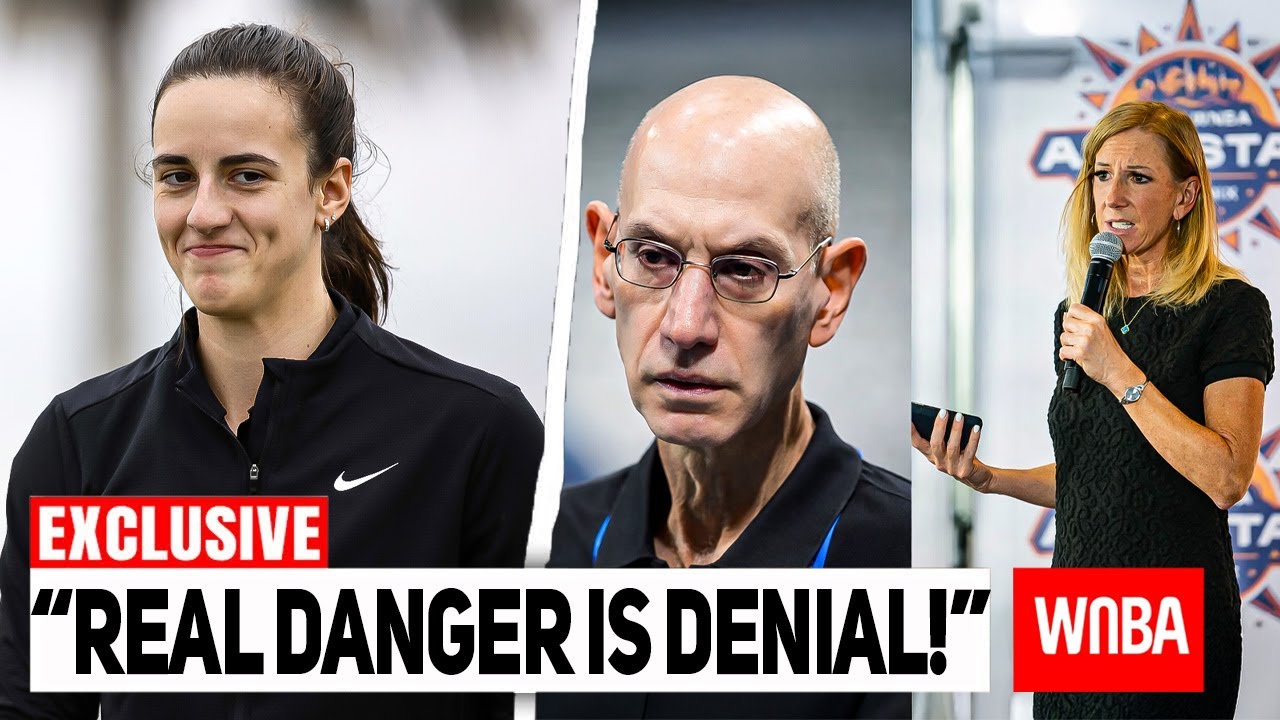
The Illusion of Smooth Sailing
From the outside looking in, the WNBA appears to be in a golden age. The metrics are dazzling. Ratings are climbing vertically, merchandise is flying off shelves, and media companies that once treated women’s basketball as a charitable obligation are now clamoring for constant access. Ticket prices for the Indiana Fever’s games have surged into the stratosphere, with courtside seats reselling for over $2,000—numbers that rival the NBA Finals. Teams like the Las Vegas Aces and Washington Mystics are frantically moving scheduled games to larger arenas to accommodate the tidal wave of demand.
It looks like momentum. It looks like progress. But inside the machine, the gears are grinding.
Growth, real explosive growth, is not a victory lap. It is a stress test. It is the moment when systems that functioned perfectly fine in a smaller, quieter world are suddenly pushed into situations they were never designed to handle. The WNBA is currently standing in a spot where the infrastructure of a niche league is buckling under the expectations of a major professional powerhouse.
When a league is small, mistakes fade into the background. A scheduling quirk, a travel mishap, a PR fumble—these things vanish quickly when the audience is small and forgiving. But once a league becomes truly visible, every flaw is examined under a microscope. The WNBA has moved into a new lane where it is no longer viewed as a “side project” or a cause to be supported; it is being measured against the ruthless standards of professional entertainment. And right now, the structure hasn’t fully caught up to the reality.
The Caitlin Clark Accelerant

Caitlin Clark did not invent this moment for the WNBA, but she compressed what would have been a decade of gradual evolution into a single offseason. She didn’t just boost stats; she shifted habits. Games that were once optional viewing for casual sports fans have become “must-watch” appointments. The conversation didn’t just get louder; it changed frequency entirely.
This compression of time is dangerous. No organization, no matter how well-run, can prepare for this level of sudden acceleration. Planning is typically built around control, predictability, and slow, steady progress. Acceleration breaks all three of those pillars simultaneously.
The league is now reacting to demand rather than steering it. When you see the frantic venue changes and the skyrocketing resale markets, you are watching a league scrambling to retrofit its reality to match the hype. The visibility wasn’t selected by the WNBA executives; it was answered by them. And in that reactive state, confusion starts to creep in.
The Deafening Sound of Silence
This is where the danger lies. When a league stays quiet for too long during a period of massive transition, people stop calling it “patience.” Silence starts to look like a plan—or worse, a lack of one. Delays in addressing issues feel less like timing constraints and more like deliberate choices.
We see this playing out in the discourse surrounding the league. Fans, new and old, see uneven attention given to certain teams or players and immediately jump to conspiracy theories about favoritism. They assume the focus is being steered with intent. In reality, the league is likely just trying to keep its head above water, but without clear communication, the narrative gets hijacked.
In the past, the WNBA could rely on the goodwill of its core fanbase. These were the loyalists who understood the struggles and were willing to overlook the jagged edges. But the audience has matured and expanded. The new crowd watching closely doesn’t fill in the blanks with loyalty; they fill them with expectations. They demand consistency. They want to know why decisions are made. When explanations fall short, frustration fills the gap.
The Structural Reckoning
History tells us that growth always hits first, and stability comes later. The NBA didn’t luck into stability the moment Magic and Bird took over; they went through years of turbulence. The NFL faced massive growing pains as money and power expanded. Global soccer didn’t stay smooth once massive investment rushed in. The uncomfortable phase the WNBA is in right now isn’t a collapse; it’s the process playing out.
However, the specific challenges facing the WNBA are acute. We are looking at a potential labor reckoning. The current Collective Bargaining Agreement (CBA) talks are not just standard drama; they are a signal. When growth outpaces the economic framework, labor discussions become unavoidable. The foundation has shifted. Visibility is higher, revenue expectations are different, and timelines have tightened.
The players know the league is generating more buzz than ever, and they want the systems—travel, pay, facilities—to reflect that new reality. A CBA negotiation in this climate isn’t a meltdown; it’s a necessary reset. It’s the sound of a league outgrowing the assumptions it was built on.
The Test of Leadership
This is the stretch where leadership actually gets tested. It’s easy to lead when things are quiet or when the path is linear. It is incredibly difficult to lead when you are strapped to a rocket ship that is vibrating violently as it breaks the atmosphere.
Managing this growth doesn’t mean tapping the brakes. You cannot shrink the moment to fit your comfort zone. It means matching the structure to the new reality. It means setting expectations clearly, sharing exposure equitably, and absorbing pressure internally so it doesn’t spill out onto the court.
The real risk for the WNBA isn’t disagreement or controversy; those are byproducts of relevance. The real risk is pretending nothing has changed. If the league acts like this is just another season, just with more fans, they will fail. Acting like growth hasn’t raised the stakes is how misalignment starts. It’s how trust erodes.
Conclusion: The Burden of Relevance
The WNBA didn’t wander into this position by accident. It earned relevance. It earned the attention. And now, it has earned the responsibility that comes with it. Wanting growth is the easy part; living with it is the challenge.
We are seeing a league standing in front of the reality it spent years chasing. The “Caitlin Clark Effect” has stripped away the safety net of obscurity. There is no going back to being overlooked. There is only moving forward, and that movement must be intentional.
The direction the league takes from here will decide whether this era is remembered as a breakthrough that reshaped women’s sports forever, or a chaotic buildup that missed its window. Perception is moving faster than reality, and narratives are forming before explanations are ready. The WNBA must realize that in the big leagues, silence is not golden—it’s dangerous. They have the momentum; now they desperately need to build the control.
News
Admiral Shibazaki Boasted “It Will Take 100 Years to Capture Tarawa” — US Marines Did It In 76 Hours
At 13:30 hours on November 23rd, 1943, Colonel David Shupe stood on a two-mile strip of coral called Betio,…
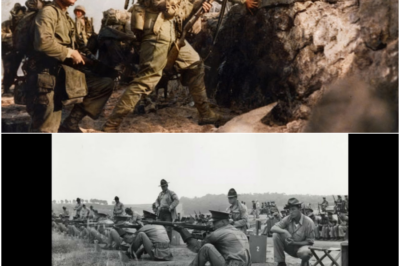
Japanese Troops Were Terrified When U.S. Marines Cleared Trenches Without Letting Go Of The Trigger
On the morning of August 17th, 1942, at 0917, Sergeant Clyde Thomasson crouched behind a palm tree on Makan Island,…
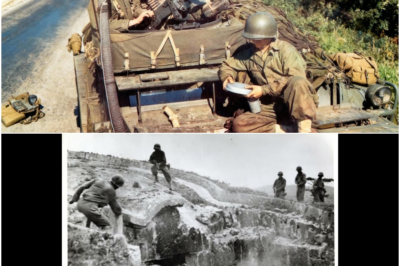
Japanese Soldiers Were Terrified When .50 Caliber Machine Guns Penetrated Their Concrete Bunkers
On the morning of May 14th, 1945, at 0630 hours, Corporal Lewis Ha crouched behind a coral outcrop on Okinawa’s…

General Hyakutake Ignored The “No Supplies” Warning — And Marched 3,000 Men Into The Jungle To Die
On the morning of December 23rd, 1942, at 0800 hours, Lieutenant General Harukichi Hiakutake sat in his command bunker on…
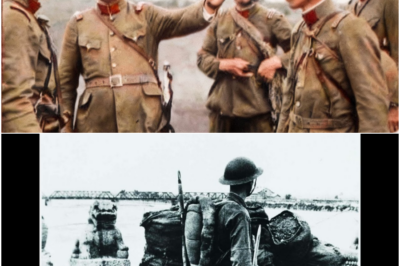
Colonel Ichiki Was Told “Wait For Reinforcements You Fool” — He Attacked Anyway And Lost 800 Men
At 3:07 in the morning on August 21st, 1942, Colonel Kona Ichiki crouched behind a fallen palm tree on the…
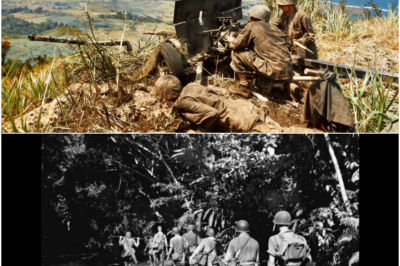
Japanese Soldiers Were Terrified When U.S. Marines Turned Anti-Tank Guns Into Giant Shotguns
On the morning of August 21st, 1942, at 3:07 a.m., Private First Class Frank Pomroy crouched behind a 37 millimeter…
End of content
No more pages to load